RSS

Wealth Building Through Real Estate in the GTA: Why Your Mortgage Is a Powerful Financial Engine

Most homeowners in the Greater Toronto Area see their mortgage as a monthly expense. But smart buyers and investors understand something different: a mortgage is one of the most powerful wealth-building tools in real estate.

If you want to build long-term net worth in Ontario, the way your home, mortgage, and market work together matters more than timing headlines or chasing interest rates. As a GTA real estate and mortgage professional, I help clients think beyond buying a house and start treating real estate like the asset it is.


Mortgage Principal Paydown: Built-In Wealth Creation

Every mortgage payment does two things:

1. Pays interest

2. Increases your home equity

That principal portion is essentially forced savings—something renters never benefit from.

Why this builds wealth

• Each dollar paid toward principal increases your net worth

• Home equity grows automatically over time

• Mortgage payments replace rent with ownership

Ontario real estate insight: In the first few years, equity growth feels slow. But homeowners who stay in a property for 5–7 years benefit from the amortization curve, where principal paydown accelerates and equity grows faster.


Leveraged Appreciation: How Real Estate Multiplies Your Return

Real estate is one of the only investments where you can legally and safely use leverage (the bank’s money) to grow personal wealth.

Example:

• Purchase price: $500,000

• Down payment: $50,000 (10%)

• Market appreciation: 5% in one year = $25,000

That’s not a 5% return—it’s a 50% return on your invested capital.

This is why buying property in growing GTA markets has historically been one of the fastest ways to build generational wealth.


Choosing the Right Property: The Real Wealth Strategy

A mortgage is just a tool. The property itself is what creates or limits wealth.

Location matters

I focus on path-of-progress neighborhoods—areas with planned transit, commercial development, or infrastructure improvements. These locations often outperform the broader GTA average.

Value-add opportunities

Buying a cosmetic fixer can create instant equity. Smart renovations—paint, flooring, kitchens—can increase property value without over-improving.

This is how homeowners turn regular purchases into high-performing real estate assets.


Why Timing the Market Hurts More Than It Helps

Many buyers wait for lower interest rates before entering the market. From a real estate wealth perspective, this usually backfires.

The cost of waiting

• Home prices often rise faster than rate savings

• Buyers lose years of principal paydown

• Appreciation is missed entirely

The smarter move

Marry the house, date the rate. Buy the right property when it makes sense, start building equity immediately, and refinance when rates improve.


Your Home Is More Than a Place to Live

Your primary residence is often the only investment you can live in while it builds wealth. When structured properly, your mortgage becomes a financial engine—quietly growing your net worth month after month.

If you’re buying, selling, or refinancing anywhere in the GTA, the strategy behind the numbers matters just as much as the numbers themselves.

📩 DM me if you want help choosing the right property, structuring your mortgage smartly, or building long-term wealth through real estate.

From Loan to Home — Your Trusted Path to Ownership. 🏡

Read

The 2026 GTA Real Estate Playbook: High-ROI Moves for Homeowners 🏈💥

Ready for kickoff? The 2026 GTA housing market is moving fast, and winning isn’t just about buying or selling—it’s about having a strategy that maximizes equity, protects your home turf, and funds your dream upgrades. Whether you’re searching for your first home, upgrading, or unlocking equity in your long-time family property, you need a playbook that scores big across the GTA.

As your local GTA Realtor + Mortgage expert, here’s the four-key-play lineup that can help you boost resale value, fund renovations, and win in 2026.

Play #1: Clean Slate Kickoff – Maximize Resale Value 🖌️

First impressions are your opening drive. In a competitive GTA market, a Clean Slate refresh is your highest ROI move.

The Design Move: Warm minimalism is king. Shades like Cloud Dancer White create airy, neutral spaces that make rooms feel larger and move-in ready.

Why it Wins: Homes with neutral palettes sell faster and closer to asking price. It’s a psychological green light for buyers to move in immediately—boosting your appraisal and competitive edge.

Play #2: Ironclad Defense – Reverse Mortgages for 55+ 🛡️

Your home is often your largest retirement fund. An Ironclad Defense ensures you can enjoy that wealth without being forced to sell your "home turf."

• ​How it Works: For homeowners aged 55 and older, a Reverse Mortgage allows you to access up to 55%–59% of your home's value in tax-free cash.

• ​The Winning Edge: Unlike a traditional loan, there are no monthly mortgage payments required as long as you live in the home. Use these funds to bypass high-interest debt, fund luxury renovations, or simply improve your monthly cash flow while keeping 100% ownership.

Play #3: Home Field Advantage – Smart Styling with a HELOC 🏡

Why move when you can upgrade your current end zone? A Home Equity Line of Credit (HELOC) is your flexible bench player, ready when you need it.

The Strategy: Fund energy-efficient upgrades, sustainable materials, and high-value renovations.

The Benefit: Pay interest only on what you use. Live in your dream space now while boosting future resale value across the GTA.

Play #4: Hail Mary Move – Purchase Plus Improvements (PPI) Mortgage 🎯

Found the perfect home but the interior is a “fumble”? The PPI mortgage lets you fund your renovations upfront and roll the cost into your mortgage.

How it Works: Finance nature-inspired murals, kitchens, or full luxury upgrades—up to $40,000 or 10–20% of the home’s value—at a low mortgage rate.

Why it Wins: Turn a fixer-upper into a Trophy Property for pennies on the dollar, without high-interest credit cards or loans.

Ready to Score in 2026? 🏆

The difference between a fumble and a touchdown in the GTA real estate market is strategy and expert guidance.

Whether you need:

• Mortgage pre-approval anywhere in the GTA

• Scouting report on your home’s equity potential

• High-ROI renovation advice

…I’ve got the playbook to get you across the goal line.

From Loan to Home — Your Trusted Path to Ownership. 🏡
Read

GTA Housing Market Update: January 2026 — Prices Dip Below $1M!

Hey Toronto! Big news from the GTA housing scene—January 2026 is officially the month buyers have been quietly dreaming about. For the first time since early 2021, the average home price in the GTA has slipped below the million-dollar mark. That’s right—sellers’ market power is softening, and buyers finally have some room to breathe.

Whether you’re a first-time buyer hunting for your perfect entry point, or a homeowner plotting your next move, things are cooler, calmer, and choice-heavy—basically, the market is giving us all a little break.

Why Are Prices Dropping?

That $973K headline number is turning heads, but the story is pretty simple: more homes to choose from and more time to decide.

Even though new listings are slightly down, the total pool of homes for sale (active listings) jumped 8%, giving buyers roughly 3.5 times more selection than during the peak pandemic frenzy. Homes are lingering on the market longer—67 days on average—so now you actually have leverage.

2026 Outlook: A First-Time Buyer’s Paradise?

TRREB’s 2026 Market Outlook is pointing to opportunities, especially for first-time buyers:

• First-Time Buyers are Back: Pent-up demand is real—45% of intending buyers this year are first-timers.

• Price Stability Incoming: With interest rates at 2.25%, the first half of 2026 is likely to stay soft. But if confidence returns, prices could rebound later in the year, hovering around $1M–$1.03M on average.

• Market Segments: Condos are feeling the squeeze, down nearly 10% to $604K, while detached homes are more resilient at $1.28M, though still down 7.4%.


What This Means for You

Buyers: The wait is officially over. The market is basically your playground. With 5.8 months of inventory and a 97% list-to-sale price ratio, you can:

• Negotiate like a pro

• Ask for repairs

• Include conditions that were impossible just two years ago

Sellers: Strategy is your new best friend. Nearly 18,000 homes are on the market, so “list it and hope” won’t cut it. Homes need to be:

• Correctly priced

• Staged beautifully

• Marketed strategically

Overpriced homes are sitting. Right-priced, well-presented homes? Still seeing steady interest.


The Bottom Line

The GTA market is reflecting the economic tension households are feeling. Affordability is improving, but the “wait and see” crowd is still strong. That said, if you have a long-term horizon, these 5-year lows could be a once-in-a-generation buying opportunity.

💡 And if you’re thinking about how a mortgage fits into this landscape, now is the perfect time to explore your options. With rates steady and more inventory than we’ve seen in years, negotiating a mortgage that works for your budget has never felt more possible.

From Loan to Home — Your Trusted Path to Ownership.

Read

The Ultimate Guide to Reverse Mortgages in Ontario (2026): Unlocking Your Home’s Value with Confidence

For many seniors across Ontario—from the fast-paced Greater Toronto Area to the peaceful communities of Muskoka—the family home is more than just a place full of memories. It’s also their largest financial asset.

Yet in 2026, with the rising cost of living, property taxes, and healthcare expenses, many homeowners aged 55+ find themselves house rich but cash poor. That’s where a reverse mortgage in Canada can become a powerful—and often misunderstood—solution.

So how does a reverse mortgage actually work in Ontario, and who is it really for?

What Is a Reverse Mortgage in Canada?

A reverse mortgage is a loan secured against your primary residence that allows homeowners aged 55+ to access up to 55% of their home’s value as tax-free cash.

The term “reverse” refers to how repayment works:

• ❌ No monthly mortgage payments required
• ❌ No income qualification
• ✅ Interest is added to the balance over time
• ✅ The loan is repaid only when you sell, move, or the last borrower passes away

Unlike a traditional mortgage or HELOC, you stay in full ownership of your home.

How Reverse Mortgages Work in Ontario (Key Canadian Features)

When exploring reverse mortgage options with Canadian lenders such as HomeEquity Bank (CHIP), Equitable Bank, or Bloom Finance, you’ll encounter a few important terms:

🔹 Tax-Free Proceeds
The funds you receive are considered a loan, not income. That means:

• No income tax
• No impact on OAS (Old Age Security
) or GIS benefits (Guaranteed Income Supplement)

🔹 No Negative Equity Guarantee

This is a legally binding protection unique to Canadian reverse mortgages.

As long as you maintain your home and keep property taxes and insurance up to date:

• You—or your estate—will never owe more than the home’s fair market value at the time of sale.

🔹 Lump Sum or Planned Advances

You can choose:
• A lump-sum payout, or
• Scheduled advances that act like a monthly paycheck to supplement retirement income

🔹 Independent Legal Advice (ILA)

In Ontario, meeting with an independent lawyer is mandatory before funds are released. This ensures you fully understand the product and your rights.

Who Can Benefit from a Reverse Mortgage?
A reverse mortgage isn’t for everyone—but it can be an excellent strategy for:

🏡 Seniors Who Want to Age in Place

Use home equity to fund renovations, accessibility upgrades, or in-home care—without selling.

💳 Homeowners Looking to Eliminate Debt

Pay off an existing mortgage or high-interest credit cards and improve monthly cash flow.

🎁 Parents Offering a “Living Inheritance”

Help children or grandchildren with a down payment in Ontario’s competitive housing market—while you’re still here to see the benefit.

📊 Tax-Efficient Retirees

Preserve RRIFs and investments by using home equity instead of triggering taxable withdrawals.
Reverse Mortgage Eligibility in Ontario
To qualify with a Canadian lender, you must meet the following criteria:

• Age: All homeowners on title must be 55 or older
• Primary Residence: The home must be your main residence (lived in at least 6 months per year)
• Minimum Home Value: Typically $200,000–$250,000+
• Property Status: Any existing mortgage or liens must be paid off using the proceeds

Final Thoughts

A reverse mortgage can be a safe, flexible equity-release solution for Ontario seniors who want to stay in their home while improving retirement cash flow.

Thanks to the No Negative Equity Guarantee, Canadian reverse mortgages offer protections that many traditional lending options simply don’t.

As with any financial strategy, the key is understanding how it fits into your overall retirement plan.

If you’re curious whether a reverse mortgage makes sense for your situation, a personalized review can make all the difference.

From Loan to Home — Your Trusted Path to Ownership. 🏡

Read

The 2026 Mortgage Stress Test: What OSFI’s Latest Update Means for Canadian Homebuyers

As of January 29, 2026, OSFI (the Office of the Superintendent of Financial Institutions) released its first major update to Canadian mortgage rules this year. If you’re planning to buy a home, renew a mortgage, or refinance in 2026, these updates directly affect how much you can qualify for.

The good news? Nothing here should stop a well-prepared buyer. But understanding the rules gives you an advantage.

Let’s break down what’s changing, what’s staying, and how this impacts your purchasing power in today’s market.

Mortgage Stress Test 2026: Still in Effect

The Canadian mortgage stress test is not going away in 2026.

To qualify with a federally regulated lender, borrowers must still prove they can afford payments at the higher of:

• 5.25%, or

• Your contract rate + 2%

Why This Matters for Buyers

Even if you secure a competitive rate like 4.1%, lenders qualify you closer to 6.1%.

This reduces your maximum mortgage approval amount, but it also protects buyers from future rate increases. Think of it as a built-in safety buffer.

For buyers in 2026, this makes income stability and debt management more important than ever.

OSFI’s 4.5x Income Rule Is Now Permanent

OSFI has officially made the Loan-to-Income (LTI) guideline a permanent part of Canadian mortgage qualification.

The Rule

Lenders must limit how many uninsured mortgages exceed 4.5 times a borrower’s annual income.

What This Means in Real Life

This isn’t a hard cap on every borrower, but it does mean:
• High-income verification matters
• Lower debt ratios help significantly
• Stretching budgets is harder than before

For buyers in higher-priced markets, strong financial profiles are key to maximizing approval amounts.

Mortgage Renewal 2026: The Straight Switch Advantage

There is good news for homeowners renewing in 2026.

If you have an uninsured mortgage and switch lenders at renewal:

✅ No stress test required
✅ No requalification under higher rates
✅ Full ability to shop for better terms

Conditions

This applies as long as you:
• Don’t increase your loan amount
• Don’t extend your amortization

This “straight switch” rule gives borrowers real negotiating power and helps avoid being locked in with one lender.

More Consistent Mortgage Rules Across Canada

OSFI is also consolidating mortgage and credit guidelines into a more principle-based framework.

For buyers and investors, this creates:
• More consistent lending standards
• Clearer qualification expectations
• Fewer lender-to-lender surprises

In short, the mortgage landscape is becoming more predictable.

How to Prepare for a Mortgage in 2026

If you’re buying a home in 2026, preparation can make a major difference.

1. Pay Down Consumer Debt
Car loans, credit cards, and credit lines directly impact mortgage qualification. Reducing them can boost your buying power.

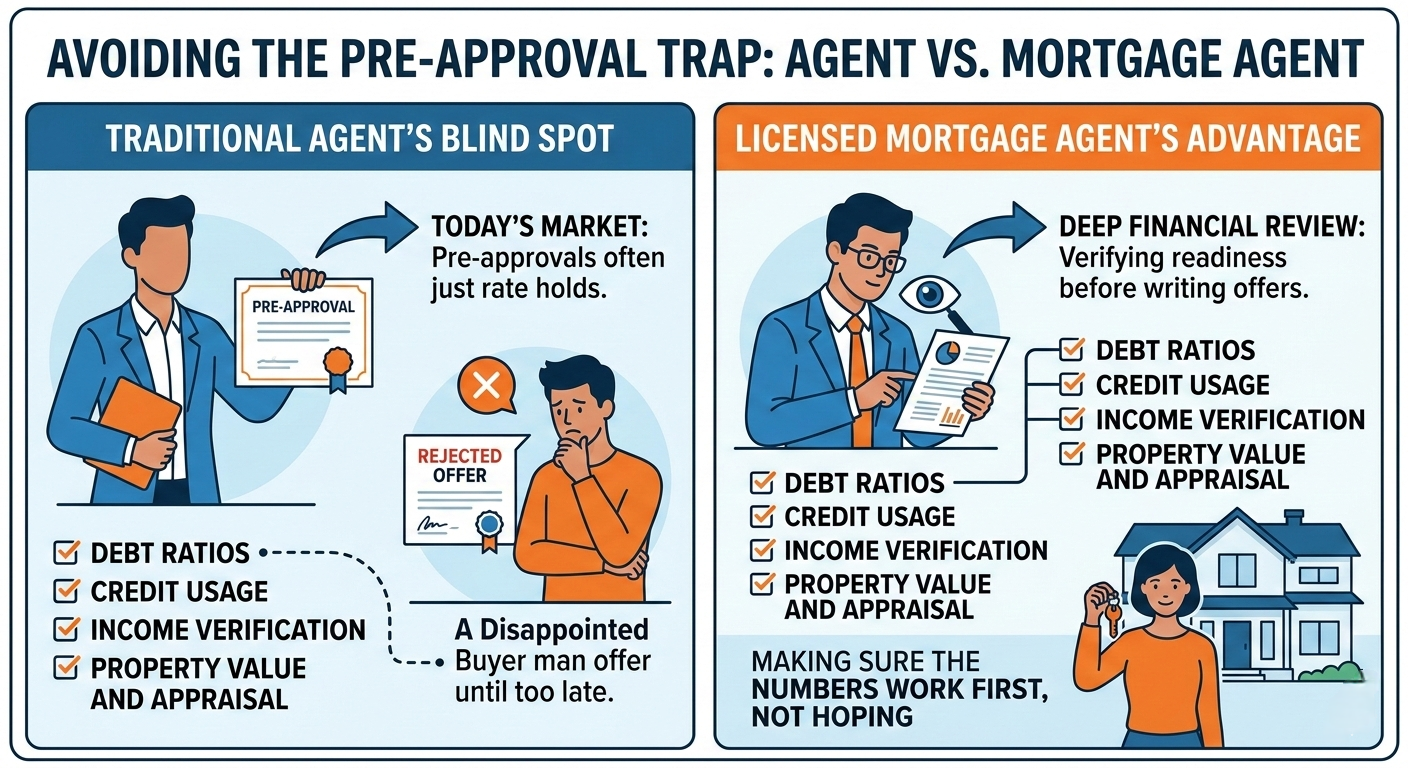
2. Get a Mortgage Pre-Approval
Pre-approvals help you understand your real budget and which lenders fit your situation best.

3. Consider 30-Year Amortizations
Available to first-time buyers and new builds, this option can improve affordability and qualification flexibility.

Bottom Line: 2026 Is About Smart Strategy

The 2026 mortgage rules aren’t about restricting buyers — they’re about sustainable borrowing.

Prepared buyers with the right strategy are still buying, upgrading, and investing successfully.

Understanding how lenders evaluate applications is what separates frustrated buyers from confident ones.

From Loan to Home — Your Trusted Path to Ownership. 🏡

Read

Steady as She Goes: What Today’s Bank of Canada Decision Really Means

The Bank of Canada started 2026 exactly how most analysts expected: by holding the policy rate at 2.25%.

A “no-change” announcement might not sound exciting, but don’t mistake quiet for meaningless. Governor Tiff Macklem’s tone — and the January Monetary Policy Report — give us a pretty clear read on where the economy is headed this year.

The Big Picture: Why the Hold

After a few turbulent years, the Bank is firmly in wait-and-see mode. Here’s what’s driving that decision:

Inflation is behaving. Inflation is sitting close to the 2% target, which tells the Bank the current rate is doing its job — cooling prices without tipping the economy into a hard landing.

The labour market is cooling. With unemployment around 6.8%, wage pressure has eased, reducing the risk of inflation flaring back up.

Trade uncertainty is real. The upcoming CUSMA review with the U.S. and Mexico adds a layer of unpredictability. Until there’s more clarity, the Bank is unlikely to make aggressive moves.

What This Means for You

Homeowners: Variable rates stay put for now. If you’re renewing in 2026, the days of 5%+ rates appear to be behind us — but we’re not heading back to ultra-cheap money either.

Business owners: Credit remains available, but the Bank’s cautious tone suggests consumer spending may stay modest, especially in the first half of the year.

Savers: High-interest savings accounts and GICs are still offering returns that actually outpace inflation — a rare and welcome shift.

Looking Ahead

The Bank is clearly comfortable with the progress made in 2025. That said, future moves will depend heavily on how global trade and economic conditions evolve.

For now, stability is the theme — and in a market that’s seen a lot of chaos, that’s not a bad place to be.

From Loan to Home — Your Trusted Path to Ownership. 🏡

Read

Buying for the Future: Why This Ravine-Lot Bungalow Was a Strategic Home Purchase

When my clients began their home search, we set one clear rule: focus on the fundamentals that drive long-term property value. Paint colours, flooring, and fixtures can always be changed. Land, layout, and location cannot.

This detached ravine-lot bungalow is a perfect example of a smart, future-focused purchase. Here’s the strategy behind why this home stood out — and why it will continue to perform well over time.

1. The Long-Term Value of a Ravine Lot

Privacy is increasingly rare. Homes that back onto a ravine offer something buyers consistently pay a premium for: permanent green space with no rear neighbours.

A ravine lot provides:

• Long-term privacy and protected views

• A natural buffer from future development

• Strong resale appeal

You can renovate a home — but you can’t recreate a ravine. That’s why ravine-lot properties remain highly desirable, no matter the market.

2. Why a Walk-Out Basement Adds Real Value

Not all basements are created equal — and this one significantly changes how the home functions.

This bungalow features a walk-out basement with natural light, good ceiling height, and a separate entrance, effectively increasing usable living space. Instead of feeling like a lower level, it feels like an extension of the home.

From a value and flexibility standpoint, a walk-out basement offers:

• Space for a home office, guest suite, or extended family

• Future rental or in-law potential (subject to zoning)

• Higher resale value compared to standard basements

Layouts like this give homeowners options — and options protect value.

3. Why Detached Bungalows Remain a Smart Investment

Detached bungalows continue to be one of the most sought-after housing types.

True one-floor living appeals to a wide range of buyers — from young families to downsizers and retirees. That broad appeal translates into consistent demand and strong resale value, even as market conditions change.

A well-designed bungalow offers:

• Comfortable, functional living today

• Broad buyer demand tomorrow

• Long-term market resilience

That’s what makes bungalows a timeless asset.

The Full Strategy: Realtor + Mortgage Specialist

This purchase worked because we evaluated the home and the financing together.

As both their Realtor and Mortgage Specialist, I was able to:

• Identify long-term value others might overlook

• Align the mortgage strategy with future goals

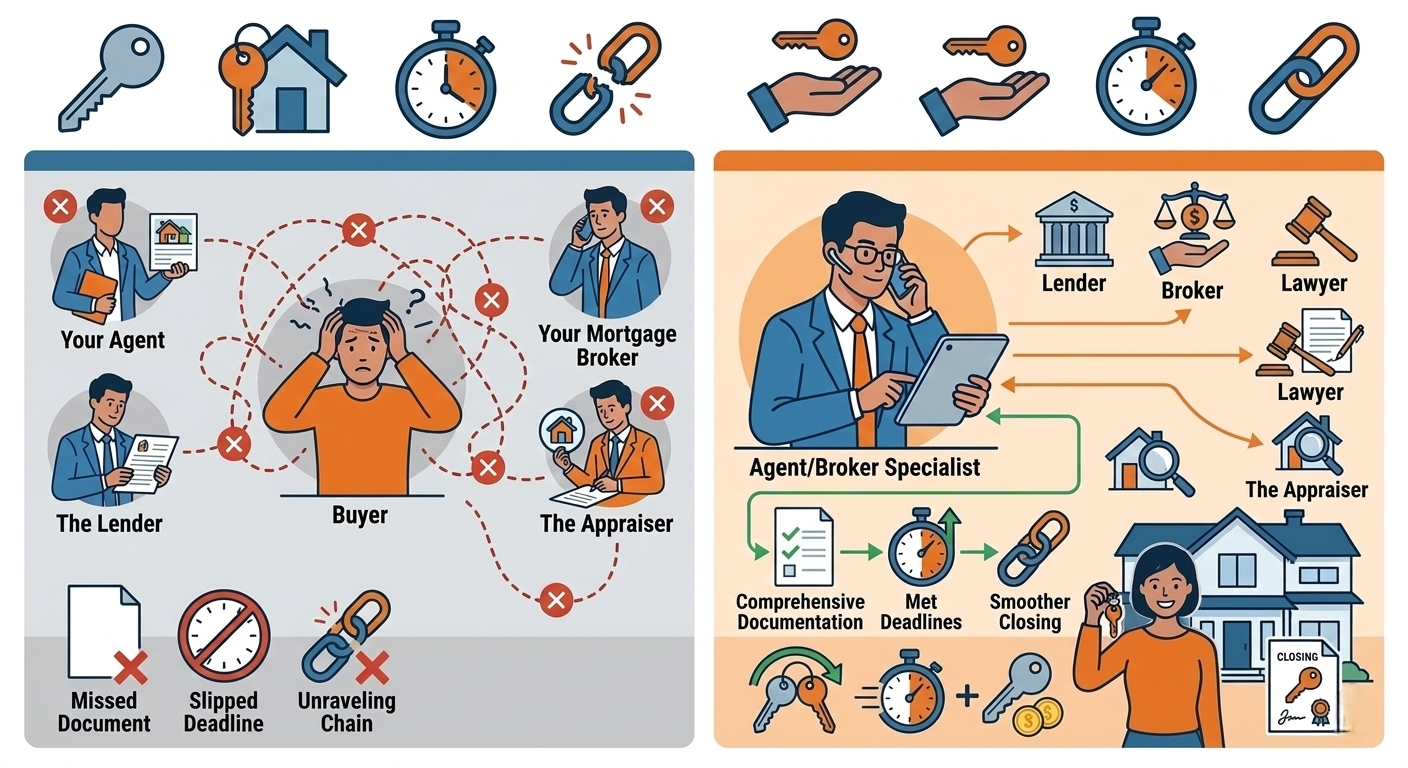
• Create a seamless experience from first showing to closing

When real estate and financing are aligned, better decisions follow.


Thinking About Buying Strategically?

If you’re looking for a home that offers lifestyle value and long-term upside, strategy matters. I help my clients see beyond surface finishes and focus on what truly drives value over time.

From Loan to Home — Your Trusted Path to Ownership. 🏡
Read

Mark Your Calendars: Bank of Canada 2026 Rate Schedule 🗓️

As we head into 2026, all eyes are back on the Bank of Canada. Whether you’re a first-time buyer, a homeowner with a renewal coming up, or just trying to stay on top of your monthly budget, these rate announcements matter more than most people realize.

The BoC has officially released its 2026 schedule, and there are key dates you’ll want on your radar.


2026 Bank of Canada Rate Announcement Dates

(All announcements are typically released at 9:45 AM ET)

→Wednesday, January 28 (Includes Monetary Policy Report)
→Wednesday, March 18
→Wednesday, April 29 (Includes Monetary Policy Report)
→Wednesday, July 15 (Includes Monetary Policy Report)
→Wednesday, September 2
→Wednesday, October 28 (Includes Monetary Policy Report)
→Wednesday, December 9


What Are We Expecting in 2026?

After the rollercoaster of the last few years, 2026 is shaping up to be a bit more… calm (finally).

Most economists at Canada’s major banks (RBC, TD, Scotiabank) are expecting a “hold” pattern, at least through the first half of the year.

• Current policy rate: 2.25% (as of late January)

• The outlook: The BoC is focused on keeping inflation close to its 2% target, which means holding steady for now. That said, September and October are worth watching closely — if the economy heats up faster than expected, a small hike could be back on the table.

Why These Dates Actually Matter to You

• Variable-rate mortgages: Any BoC move impacts your rate almost immediately — and potentially your payment.

• The renewal wave: About 60% of Canadian mortgages are renewing in 2025–2026. If you locked in a super-low rate in 2021, these announcements will directly affect what your new payment looks like.

• Real estate market: Rate stability tends to bring buyers off the sidelines. If the BoC signals a longer-term hold, we could see more spring market activity across the GTA and Ontario.


Pro Tip for Homeowners 

Don’t wait for announcement day to start paying attention. The January 28 and April 29 dates include full Monetary Policy Reports — those are the best times to review your options and plan ahead with a mortgage professional.

A little preparation now can save a lot of stress (and money) later.

From Loan to Home — Your Trusted Path to Ownership. 🏡

Read

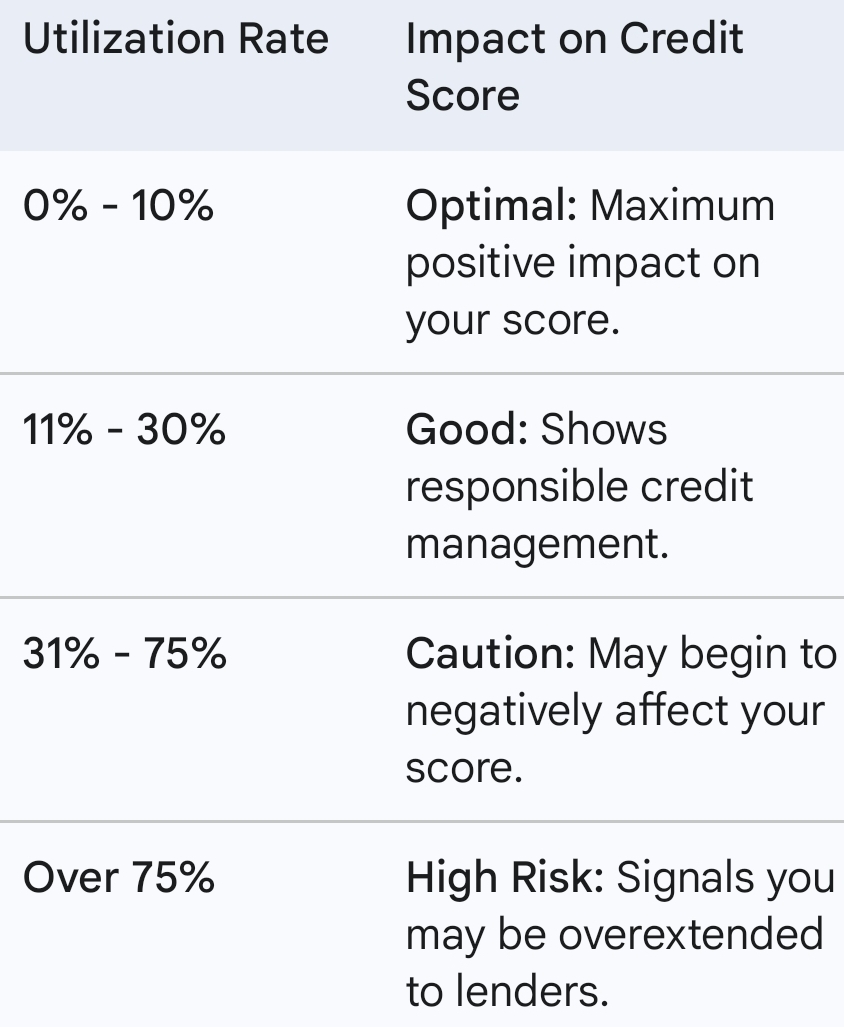
The $500 Mistake: Why Your January Spending Could Kill Your April Dream Home

We’ve all been there. It’s mid-winter, the holidays are over, and the “New Year, New Me” energy is high. Maybe you’re eyeing a new sofa for your future living room, or you finally decided to upgrade your car because the monthly payment feels manageable.

As a dual Real Estate and Mortgage agent in Ontario, I get to see both sides of the home-buying process — the excitement of the house hunt and the mortgage approval process behind the scenes. And every winter, I see the same mistake that ends up costing buyers their spring dream home.


The Myth of the “Small” Monthly Payment

Many buyers believe that having a solid down payment — say $50,000 — means they’re safe when it comes to mortgage approval.

But mortgage approvals in Canada aren’t just based on savings. They’re based on monthly debt obligations.

I call it the $500 mistake.

If you take on a new car loan, line of credit, or Buy Now, Pay Later financing that adds $500 to your monthly expenses, you don’t just lose $500 in cash flow. Because of how lenders calculate debt-to-income (DTI) ratios, that $500 payment can reduce your home buying power by $50,000 to $70,000.

Why This Happens: How Lenders Calculate Mortgage Approval

When a lender reviews your mortgage application, they look at your full financial picture to make sure you won’t become house poor.

The standard rule is simple:

Your total monthly debt — including car payments, credit cards, student loans, and your future mortgage payment — must stay below a specific percentage of your gross income.

When you add new debt in January, your debt-to-income ratio increases. Even with a strong income, this can raise red flags and directly impact how much mortgage you qualify for.

The Winter Strategy: Financial Hibernation for Home Buyers

If you’re planning to buy a home in the spring housing market, winter is the time for financial hibernation.

Here’s what I recommend to buyers preparing for mortgage pre-approval in Ontario:

1. Freeze your credit
Avoid opening new credit cards, car loans, or financing furniture and appliances until after you’ve taken possession of your new home.

2. Protect your debt-to-income ratio
Keeping monthly payments low helps maximize your mortgage approval amount.

3. Plan early
This is why I work with clients 3–6 months before they start house hunting. We review the mortgage numbers first so there are no surprises once they start shopping for homes.


The Bottom Line

Don’t let a January purchase ruin an April closing.

If you’re thinking about buying a home this year, now is the time to review your numbers and protect your buying power. A quick strategy conversation today can make the difference between missing out and confidently securing your spring dream home.

If you want to make sure you’re positioned as a strong buyer before the market heats up, let’s look at your options now — while there’s still time to plan.

From Loan to Home — Your Trusted Path to Ownership. 🏡

Read

The 13th Mortgage Payment Strategy: How to Pay Off Your Mortgage Faster in 2026


If you’re looking for a smart way to pay off your mortgage faster and save thousands in interest, this is one strategy every homeowner should understand in 2026.

It’s called the 13th mortgage payment, and it doesn’t require refinancing, switching lenders, or dramatically increasing your monthly budget.

It’s simply about how often you pay your mortgage — and using that timing to your advantage.


What Is the 13th Mortgage Payment?

Most homeowners make 12 mortgage payments per year.

When you switch to accelerated bi-weekly mortgage payments, you end up making 13 full payments per year instead of 12.

Here’s how it works:

• There are 52 weeks in a year
• You make a half payment every 2 weeks
• That equals 26 half-payments
• 26 half-payments = 13 full payments

That extra payment goes directly toward your mortgage principal, not interest — helping you build equity faster and reduce long-term borrowing costs.


Why This Strategy Matters in 2026

Mortgage rates have become more stable, which means the biggest savings now come from strategy, not trying to time the market.

1. Stable Rates Shift the Focus to Efficiency

When rates aren’t moving dramatically, paying down your balance faster is one of the most effective ways to save money over time.
Accelerated payments reduce your principal sooner, which means less interest paid over the life of your mortgage.

2. Renewals Are Still a Key Moment

Many homeowners are renewing or adjusting their mortgage structure. Accelerated bi-weekly payments help:

• Reduce long-term interest
• Build equity faster
• Put you in a stronger position at renewal

3. Equity Growth Isn’t Automatic Anymore

With slower home price growth, homeowners can’t rely on appreciation alone.
Paying down your mortgage faster is one of the most reliable ways to grow your net worth in today’s market.


Real Example: 3-Year Fixed at 4.59%

(Illustration purposes only)

Let’s look at a real-life style example to show the difference this strategy can make — even over just one term.

Option 1: Standard Monthly Payments

• 12 payments per year

• 36 total payments over 3 years

After 3 years of regular monthly payments, much of what you’ve paid has gone toward interest, especially early on.

Approximate mortgage balance after 3 years:
➡️ $460,000

Option 2: Accelerated Bi-Weekly Payments

• 26 half-payments per year

• Equivalent to 13 full payments per year

• 39 full payments over 3 years

That extra payment each year goes directly toward your principal.

Approximate mortgage balance after 3 years:

➡️ $445,000


The Difference After Just 3 Years


By choosing accelerated bi-weekly payments instead of monthly, you could be looking at:

• $15,000 more principal paid down
• Thousands saved in interest
• A shorter overall amortization
• A stronger position at renewal

And the most important part: You didn’t change your rate.

You didn’t refinance.
You simply paid more efficiently.

Important: Ask for the Right Payment Plan

Not all bi-weekly payments are the same — this part matters.

Some lenders offer standard bi-weekly payments, which just divide your monthly payment into smaller amounts.

You want Accelerated Bi-Weekly payments, which ensure:

• You make 13 payments per year
• The extra payment goes directly to principal

Always confirm this with your lender before switching.

Is the 13th Mortgage Payment Right for You?

This strategy works best when it fits into a bigger mortgage plan, including:

• Your cash flow
• Your renewal timeline
• Your long-term goals

There’s no one-size-fits-all mortgage. The right strategy is the one that supports your lifestyle and future plans.


The Bottom Line

In 2026, smart homeowners aren’t chasing rates — they’re focusing on mortgage strategy.
The 13th mortgage payment is one of the simplest ways to:

• Pay off your mortgage faster
• Build equity sooner
• Reduce interest costs

You don’t need a lower rate to make meaningful progress.
You need the right plan.
If you want to see how this strategy works with your mortgage, that’s where personalized planning makes all the difference.

From Loan to Home — Your Trusted Path to Ownership. 🏡

Read

Canadian Housing Market & Interest Rate Outlook 2026: What Buyers and Homeowners Need to Know

If you’re trying to make sense of Canada’s real estate and mortgage market in 2026, you’re not alone.

After years of rate hikes, rapid cuts, and nonstop headlines, 2026 is shaping up to be a year of stability — but not complacency. The market is calmer, interest rates are steadier, and decision-making has shifted from speculation to strategy.

Here’s what’s really happening — and what it means for you.

2026 Is Different: Canada Is Charting Its Own Path

One of the biggest changes heading into 2026 is that Canada is no longer moving in lockstep with the U.S.

While U.S. headlines are filled with expectations of aggressive rate cuts, Canada’s economic reality is different. According to Bloomberg and major Canadian banks, global interest rates are becoming “splintered,” meaning each country is making decisions based on its own pressures — not copying the Federal Reserve.

What That Means for Canada

• The U.S. Federal Reserve is expected to cut rates further due to a softer job market and political pressure
• The Bank of Canada, on the other hand, is taking a cautious, wait-and-see approach

This distinction matters — especially for mortgages.

Bank of Canada Interest Rate Forecast 2026: Stability First

The Bank of Canada ended 2025 holding its overnight rate at 2.25%, and most forecasts expect it to stay there for most of 2026.

Inflation is hovering close to the BoC’s 2% target, economic growth is moderate, and policymakers are focused on managing risk — not rushing into more cuts.

Could Rates Go Up in 2026?

Possibly.

Some economists believe the Bank of Canada could introduce a small quarter-point hike late in 2026 if:

• Trade uncertainty eases (CUSMA, tariffs)
• Global conditions stabilize
• Inflation proves stickier than expected

This is very different from the U.S. outlook — and an important detail for Canadian homeowners.

What This Means for Mortgage Rates in 2026

This is not a year of dramatic rate drops — it’s a year of rate stability.

Variable-Rate Mortgages

• Most of the relief from past rate cuts has already happened
• Payments are likely to hold steady, not continue falling

Fixed-Rate Mortgages

• Fixed rates may face upward pressure later in the year
• Markets tend to price in future hikes before they happen

For anyone renewing or buying, the mortgage structure you choose matters more than the headline rate.

Canadian Housing Market Outlook 2026: Balanced, Not Booming

The housing market is recovering — slowly and selectively.

Lower rates have brought buyers back, but affordability challenges, high household debt, and limited supply are keeping price growth measured.

This is not 2021. And that’s a good thing.

What the Forecasts Say

• CREA: Sales up 7.7%, prices up 3.2%
• Royal LePage: Modest 1% price growth, highlighting opportunity for first-time buyers
• RE/MAX: Sales rising, prices slightly softer
• RBC & TD: Increased activity, but regional differences — Ontario and B.C. expected to remain more balanced

Translation:
The market is calmer, negotiations are back, and buyers have more control than they’ve had in years.

What Buyers, Homeowners & Renewals Need to Know

If You’re Buying in 2026
• Less competition than previous years
• More room to negotiate
• Financing strategy matters more than speed

If You’re Renewing Your Mortgage

• This is not a “sign and go” renewal market
• Rates may not drop much further
• The wrong term or product can impact your cash flow for years

If You’re Waiting on the Sidelines

Trying to time the perfect rate or market bottom often costs more than it saves.
2026 rewards prepared buyers, not reactive ones.

2026 Is a Strategy Market — Not a Guessing Game

The biggest mistake Canadians make is focusing only on the rate.

The smartest mortgage in 2026 isn’t the lowest rate — it’s the one that:
• Fits your cash flow today
• Protects you if rates rise tomorrow
• Supports your long-term goals

With global uncertainty, trade pressures, and a cautious Bank of Canada, strategy beats speculation every time.

Thinking of Buying, Renewing, or Planning Ahead?

If you’re buying, selling, or renewing in 2026, now is the time to build a clear mortgage and real estate strategy — not rely on headlines.

I help clients:

• Navigate renewals with confidence
• Choose the right mortgage structure (not just the rate)
• Align financing with real-life plans
• Make smart moves in a balanced market


📩 Reach out to build a mortgage strategy that actually works — in 2026 and beyond.

From Loan to Home — Your Trusted Path to Ownership. 🏡
Read

Why Ontario Homebuyers Are Choosing Pre-Construction Inventory Homes

Tired of losing out in Toronto and GTA bidding wars? Or waiting years for a pre-construction home to be ready? There’s a smarter way to get into a brand-new home: builder inventory homes in Ontario.

These homes are either move-in ready or nearing completion, giving you all the benefits of a new build without waiting 2–3 years. Here’s why buying pre-construction inventory is a game-changer:

1. Fast Closings for Pre-Construction Homes

Unlike traditional pre-construction where you wait years, inventory homes in Ontario often close in 30, 60, or 90 days. Perfect if you’ve sold your current home and need a fast, seamless move.

2. Modern Features & Energy Efficiency

These homes are built to today’s standards, including smart home technology, energy-efficient insulation, and modern layouts—saving you money on utilities and giving you a home designed for today.

3. Avoid Toronto & GTA Bidding Wars

One of the biggest stresses in today’s market is blind bidding. With pre-construction inventory, the price is set—you know exactly what you’re paying and avoid competing with dozens of offers.

4. Peace of Mind with Tarion Warranty

Every new home in Ontario comes with the Tarion Warranty, protecting against structural issues and builder defects. This level of protection is rarely available with resale homes.

Ready to Explore Ontario Pre-Construction Inventory?

I have exclusive access to fast-closing pre-construction homes across the GTA and Ontario. These listings move quickly and aren’t always publicly available.

Why Work With Me?

Finding the right pre-construction inventory home can feel overwhelming—but that’s where I come in. I help buyers:

Navigate builder incentives and secure the best units

Close quickly on fast-moving inventory homes

Plan a mortgage strategy that fits their life, goals, and cash flow

Your dream home doesn’t have to be a dream forever—let’s find the right home and the right mortgage solution to make it yours.

From Loan to Home — Your Trusted Path to Ownership. 🏡
Read
This website may only be used by consumers that have a bona fide interest in the purchase, sale, or lease of real estate of the type being offered via the website. The data relating to real estate on this website comes in part from the MLS® Reciprocity program of the PropTx MLS®. The data is deemed reliable but is not guaranteed to be accurate.